2026 Jewish Poetry Conference Archive
Tuesday, June 16
- Robert Pinsky: Keynote Address
- A Conversation & Reading with our Keynote Speaker: Robert Pinsky, in conversation with Carol Moldaw
- Tuesday Fellows & Faculty Reading: Yehoshua November & Ellen Bass
Wednesday, June 17
- “Four Jews, Five Opinions: Wrestling with the Concept of ‘Jewish Poetry:'” Mara Lee Grayson, Sarah Sassoon, Rich Michelson, and Patty Seyburn
- “Tachles & Technique: Four Approaches to Poetic Craft:” Chloe Yale Pinto, Lizzy Beck, Sharon Dolin, and Deborah Gorlin
- Yotzer Open Mic: Emceed by Yeva Johnson
Thursday, June 18
- “The (Jewish) Artist in Times of Crisis:” Valerie Bandura, Aviva Dautch, Jessica Nordell, and Joanna Chen
- “Midrash, Influences, and the Archive: Writing Into & Out of Texts:” Lior Maayan, Amy Small-McKinney, Amy Gottlieb, and Leah Falk
- Thursday Reading: Carol Moldaw, Dan Rosenberg, and Dana Levin
Friday, June 19
- “Writing Beyond Ourselves: Poetry as Prayer:” Donna Spruijt-Metz, Karen Javits, Julie R. Enszer, and Alicia Ostriker
- Friday Reading: Hadara Bar-Nadav and Jason Schneiderman
Thank you to our conference partners
Our event cosponsor
And gratitude to our local supporters


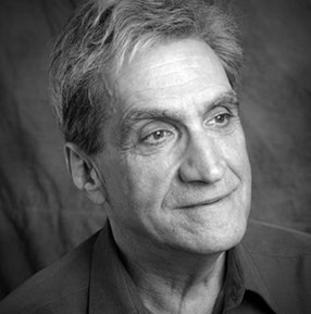
Keynote Speaker
Robert Pinsky is a poet, essayist, translator, teacher, and speaker. His first two terms as United States Poet Laureate were marked by such visible dynamism—and such national enthusiasm in response—that the Library of Congress appointed him to an unprecedented third term. Throughout his career, Pinsky has been dedicated to identifying and invigorating poetry’s place in the world.
Known worldwide, Pinsky’s work has earned him the PEN/Voelcker Award, the William Carlos Williams Prize, the Lenore Marshall Prize, Italy’s Premio Capri, the Korean Manhae Award, and the Harold Washington Award from the City of Chicago, among other accolades.
Pinsky is a professor of English and creative writing in the graduate writing program at Boston University. In 2015 the university named him a William Fairfield Warren Distinguished Professor, the highest honor bestowed on senior faculty members who are actively involved in teaching, research, scholarship, and university civic life.
Yotzer Workshop Faculty
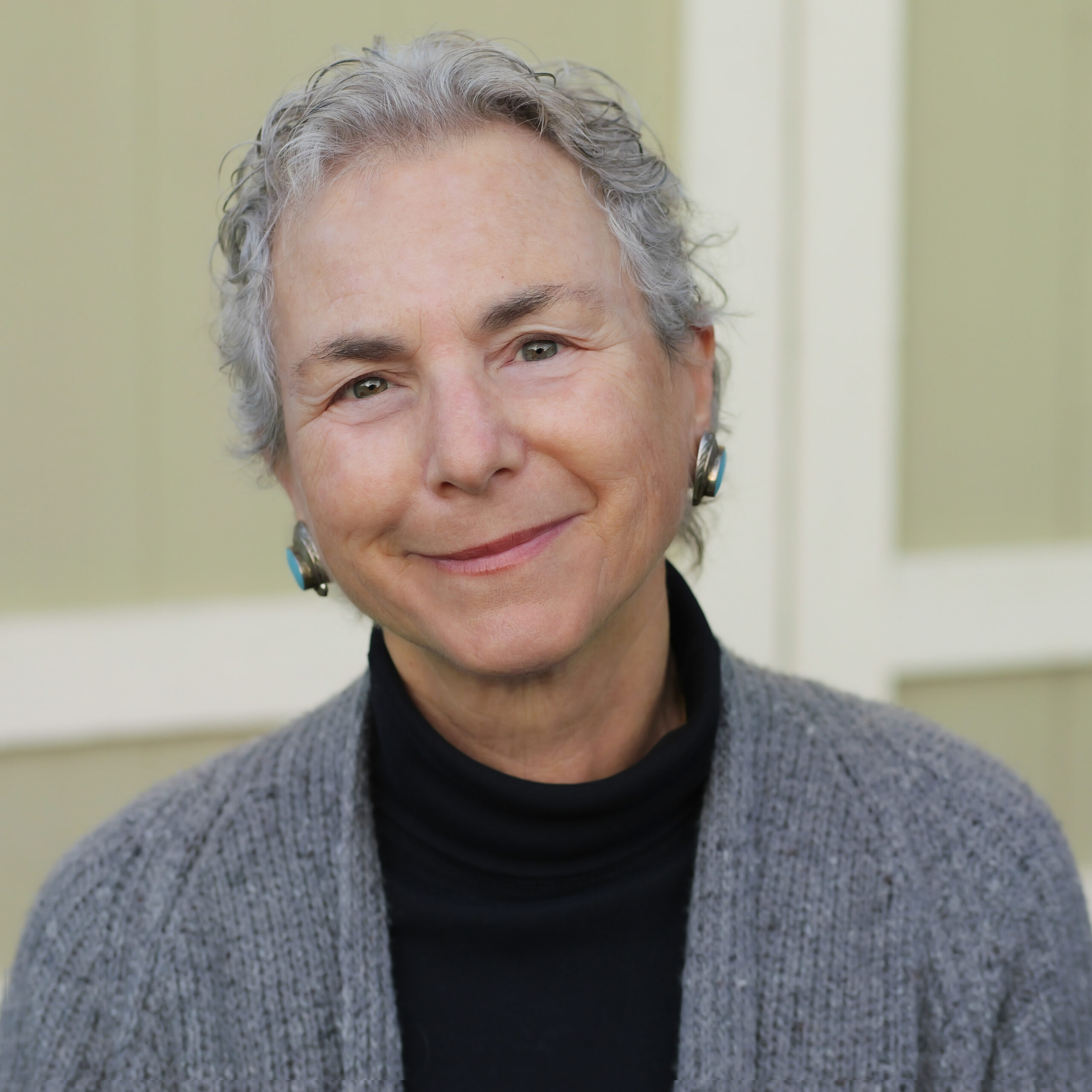
Ellen Bass: Among Ellen Bass’s poetry collections are Indigo (Copper Canyon Press, 2020), Like a Beggar (Copper Canyon Press, 2014), The Human Line (Copper Canyon Press, 2007), and Mules of Love (BOA, 2002). Among her awards are fellowships from the Guggenheim Foundation, the National Endowment for the Arts, the Lambda Literary Award, the California Arts Council, and four Pushcart Prizes. Her poems appear regularly in the New Yorker, American Poetry Review, and many other journals. With Florence Howe, she coedited the first major anthology of women’s poetry, No More Masks! (Doubleday, 1973), and she coauthored the groundbreaking The Courage to Heal: A Guide for Survivors of Child Sexual Abuse (HarperCollins, 1988). A Chancellor Emerita of the Academy of American Poets, Bass founded poetry workshops at Salinas Valley State Prison and the Santa Cruz, CA jails, and teaches in Pacific University’s MFA program.
Praise Poems
“O tell us, poet, what you do? / – I praise./ But those dark, deadly, devastating ways,/ how do you bear them, suffer them?/ —I praise.”—Rainer Maria Rilke
Praise poems may arise from overflowing joy, but they can also be built from the hard labor of affirming what we treasure––even in the face of suffering and the inevitable transience of life. And if the ultimate reason to write poetry is to be changed, then the praise poem is one of the fundamental paths to that transformation. Some considerations: How do we praise in a world full of suffering? How do we use the craft to write sentiment without sentimentality? How do we acknowledge the shadow in every joy and the light even within sorrow? In this workshop, we’ll read praise poems from Jewish and non-Jewish writers, and you’ll develop your ability to write poems that celebrate the marvelous, exalt the humble, and reveal the beauty and mystery of life.
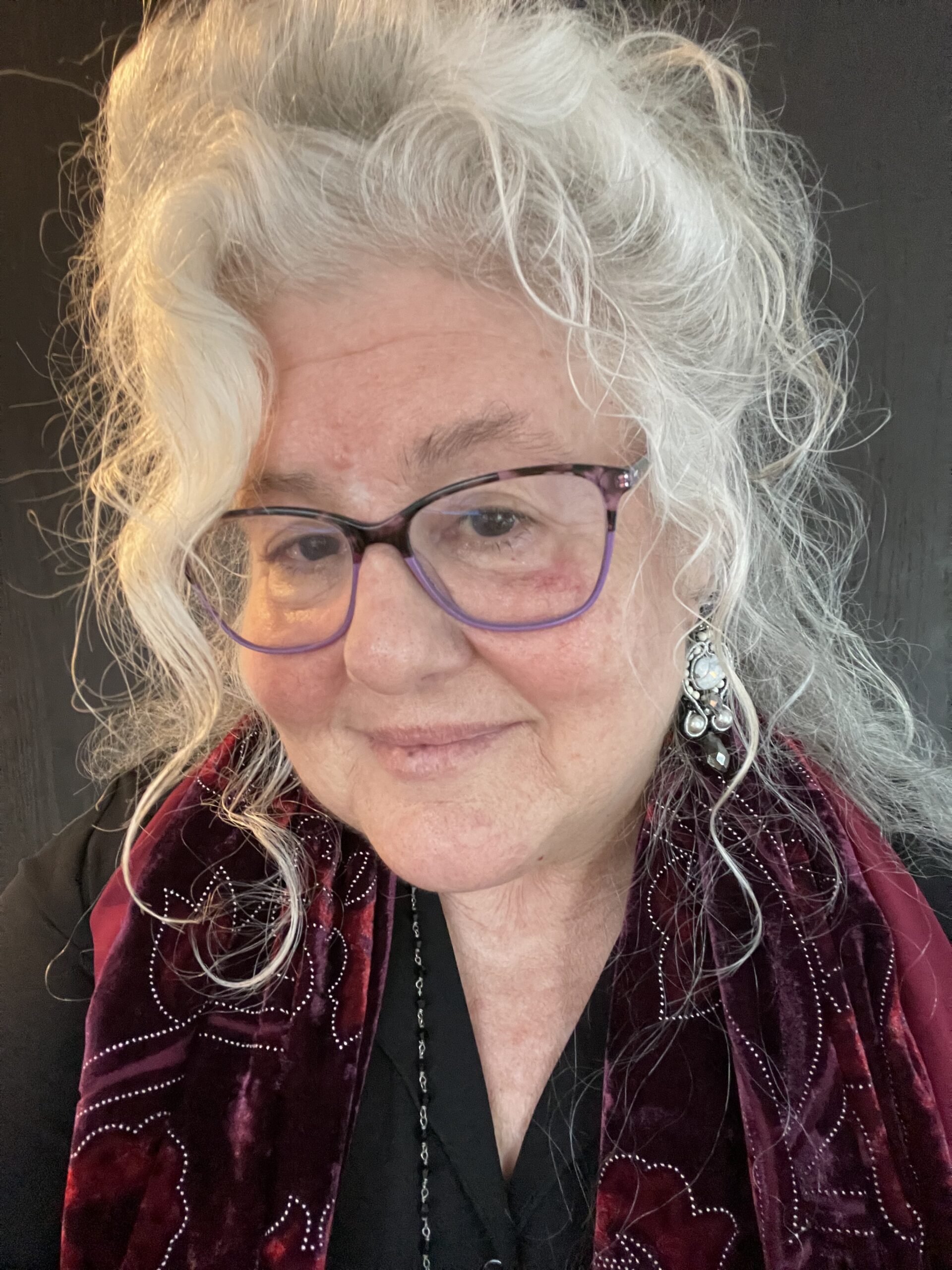
Dana Levin is the author of five books of poetry. Her latest is Now Do You Know Where You Are (Copper Canyon), a 2022 New York Times Notable Book and NPR “Book We Love.” Other books include Banana Palace (2016) and Sky Burial (2011), which The New Yorker called “utterly her own and utterly riveting.” Her first book of essays is due out from Graywolf Press in 2027. Levin is a grateful recipient of many honors, including those from the National Endowment for the Arts, PEN, and the Library of Congress, as well as from the Rona Jaffe, Whiting, and Guggenheim Foundations. With Adele Elise Williams, she co-edited Bert Meyers: On the Life and Work of an American Master (2023) for the Unsung Masters Series. Levin teaches for the Bennington Writing Seminars, the MFA program at Bennington College, and serves as Distinguished Writer in Residence at Maryville University in St. Louis.
It’s a Miracle!
The parting of the Red Sea. Manna from heaven. Water from the rock. Sarah conceives! The story of the Jews is a story brimming with miracles. In this generative workshop we will discuss the miraculous in Jewish life, our writing lives, and our psyches. We will engage in writing exercises meant to invite the miraculous into our art. Along the way, we will look at poems by Bert Meyers, Louise Glück, and others to consider how poets invite the unexpected, transformative, and revelatory into their works.
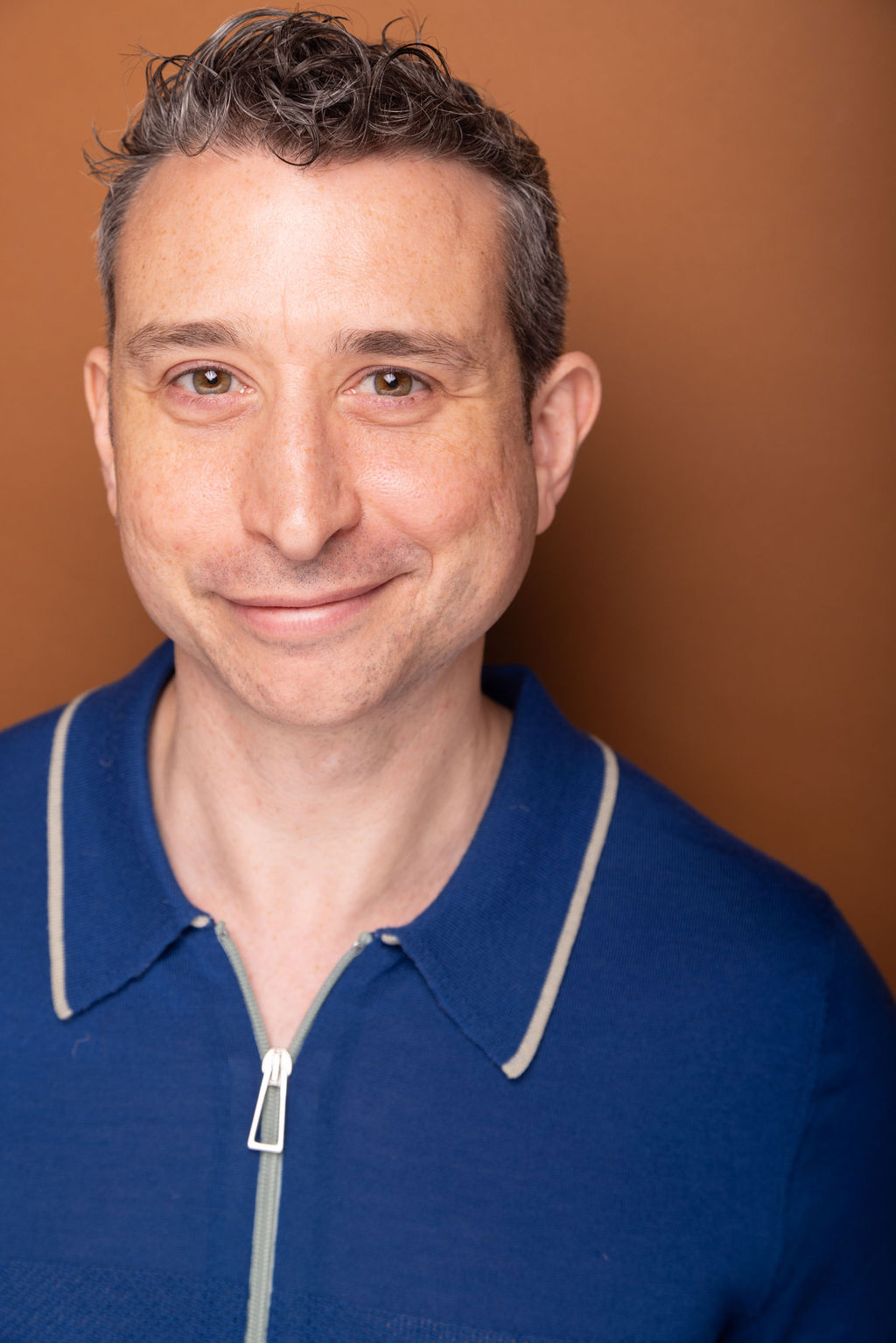
Jason Schneiderman is the author of five poetry collections, most recently Self Portrait of Icarus as a Country on Fire (Red Hen, 2024); an essay collection Nothingism: Poetry at the End of Print Culture (University of Michigan Press, Poets on Poetry 2025); a prosody manual Teaching Writing Through Poetry: An Introduction to Poetic Form (Bloomsbury 2025); and he edited the single topic reader Queer: A Reader for Writers (Oxford University Press 2016). His poems and essays have appeared in numerous journals and anthologies, including The Penguin Book of the Sonnet, and three installments of Best American Poetry. His awards include the Emily Dickinson Award from the Poetry Society of America, the Jerome J. Shestack Award from The American Poetry Review, and a Fulbright Fellowship from the Fulbright Foundation. He is longtime co-host of the podcast Painted Bride Quarterly Slush Pile and has been a guest host for The Slowdown. He is Professor of English at the Borough of Manhattan Community College and teaches in the MFA Program for Writers at Warren Wilson College.
Purple Fire
In Judaism, writing is a sacred practice and reading is a way of life; we are the people of the book, after all. In this workshop, we will adapt ideas of the textual as they relate to the sacred, to generate poems that fulfill our contemporary needs while respecting traditional practice. We will consider midrashim about the alphabet, the practices of the Sofer/Soferet, and stories about text in Jewish life and history. The torah is said to be black fire (ink) on white fire (parchment), and I’ve named this workshop “Purple Fire” because I write with purple ink, and I hope that this title encourages you to find your way into Jewish traditions that engage your own poetic practice.
Dayenu Workshop Faculty
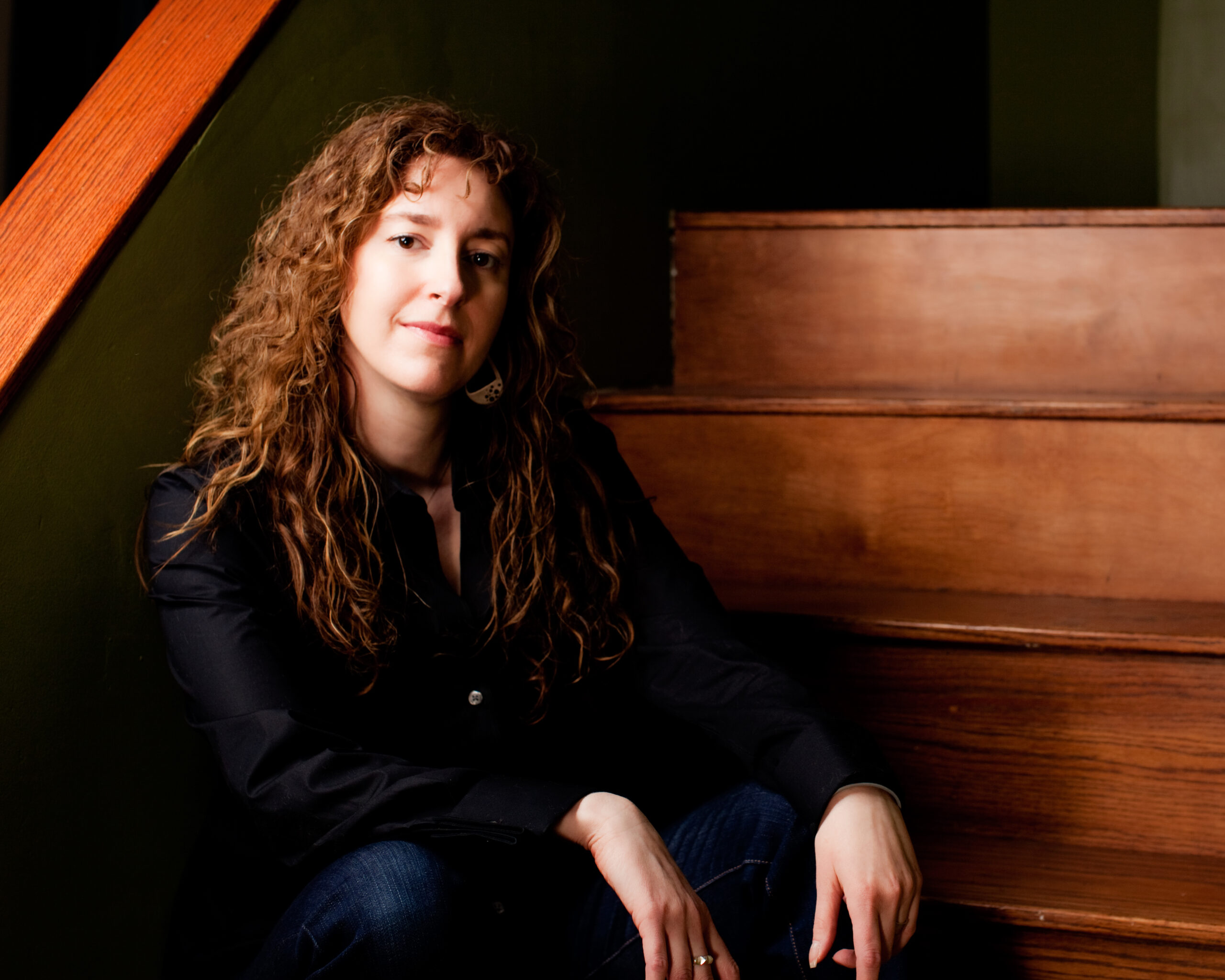
Hadara Bar-Nadav is the recipient of a National Endowment for the Arts Fellowship in Poetry, the Lucille Medwick Award from the Poetry Society of America, a fellowship from the Poetry Foundation, and other honors. She is the author of five books of poetry, most recently The Animal Is Chemical (Four Way Books, 2024), awarded the Levis Prize in Poetry, selected by Jericho Brown. Her other books are The New Nudity (Saturnalia Books, 2017); Lullaby (with Exit Sign) (Saturnalia Books, 2013), awarded the Saturnalia Books Poetry Prize; The Frame Called Ruin (New Issues, 2012), Editor’s Selection/Runner Up for the Green Rose Prize; and A Glass of Milk to Kiss Goodnight (Margie/Intuit House, 2007), awarded the Margie Book Prize. She is also the author of two chapbooks, Fountain and Furnace (Tupelo Press, 2015), awarded the Sunken Garden Poetry Prize, and Show Me Yours (Laurel Review/Green Tower Press 2010), awarded the Midwest Poets Series Prize. In addition, she is co-author with Michelle Boisseau of the bestselling textbook Writing Poems, 8th ed. (Pearson, 2011). She is a Professor of English and teaches in the MFA program at the University of Missouri-Kansas City.
Writing the Ineffable, Seeing the Invisible: Explorations of Metaphor, Imagery, and Erasure
How can we use metaphor to anchor the emotional weight and gravity of writing about the ineffable, whether that be poetry about love, grief, memory, or ghosts, these powerful abstractions that seemingly defy language itself? Consider the simple word “god” and its many permutations in writing: striking through certain letters, capitalization, alternate names, never speaking certain versions aloud. How can these various gestures become part of the poem itself? This workshop will explore uses of metaphor to sculpt our feelings and dreams, and ground them in sensory information. Authors studied may include Alicia Ostriker, Paul Celan, and Bert Meyers. We will read and write together as we discover luminous invisible worlds.
We may also experiment with erasure poetry and discover hidden poems buried inside our own and others’ texts, similar to gematria, which reveals sacred, hidden messages inside the Torah.
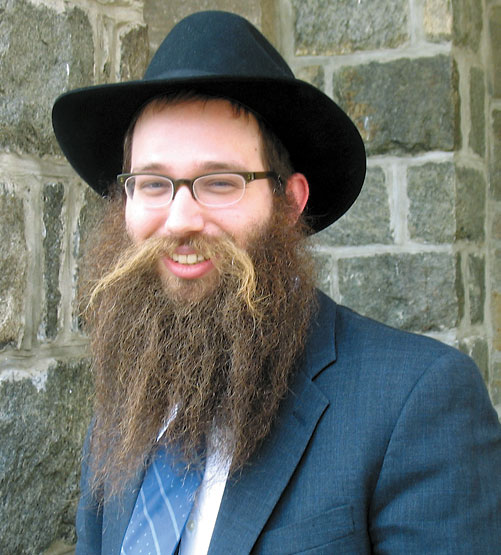
Yehoshua November is the author of three poetry collections: God’s Optimism, a finalist for the LA Times Book Prize; Two Worlds Exist, a finalist for the National Jewish Book Award and Paterson Poetry Prize; and The Concealment of Endless Light (Orison Books, fall 2024). His work has been featured in the New York Times Magazine, Best American Poetry, The Sun, Virginia Quarterly Review, TriQuarterly, Harvard Divinity Bulletin, Tikkun, Moment, and on National Public Radio and Poetry Unbound. November teaches writing at Rutgers University and Touro University.
To See What Is Heard: Concretizing the Spiritual & the Abstract
In this generative workshop, we will look at a Hasidic mystical text that explores the relationship between imagery and abstraction during the watershed moment when the Torah was received at Mount Sinai. Then, taking our cue from Hasidic mysticism and contemporary poetry, we will attempt to harness the dynamic interplay of imagery and abstraction as we work toward generating several new poems.

Dan Rosenberg‘s books include Bassinet, cadabra, and The Crushing Organ, which won the American Poetry Journal Book Prize. He has also published several chapbooks, including Thigh’s Hollow, which won the Omnidawn Poetry Chapbook Contest. Rosenberg co-translated Slovenian poet Miklavž Komelj’s Hippodrome, and his translation of Komelj’s new and selected poems, Night Is More Abstract, is forthcoming from Zephyr Press in 2026. Rosenberg holds an MFA from the Iowa Writers’ Workshop and a PhD from the University of Georgia, where he was a Presidential Fellow. He has taught at Iowa, Georgia, Augustana College, Wells College, and Cornell University. A former Tompkins County Poet Laureate, he is currently an associate professor of English at Colorado Mesa University. A co-host of the Yetzirah Reading Series, Rosenberg lives in Fruita, CO, with the poet Alicia Rebecca Myers, their son, and their medium-good dog.
World Play
In Genesis, Jacob wrestles with God or an angel or maybe his brother, whose blessings Jacob had previously stolen. Scholars debate. Regardless, at the end Jacob demands yet another blessing—a work of words: Jacob is renamed Israel (“wrestles with God,” or perhaps, “God strives”). This scene is full of ambiguity; its language doubles and turns back on itself. From this messy foundation, we will explore the power of ambiguity to make our poems more suggestive, surprising, and engaging. Following the lead of such poets as Emily Dickinson, Paul Celan, and Terrance Hayes, we will experiment with writing that moves toward multiplicity as we wrestle from each syllable the blessing of more meaning.
Conference Manuscript Faculty
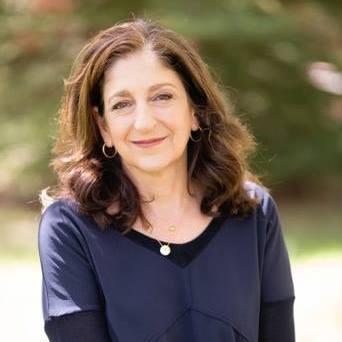
Carol Moldaw‘s most recent collection of poems, Go Figure (Four Way Books) was published in the fall of 2024. She is the author of six other poetry collections, as well as a novella, The Widening. A volume of her selected poems translated into Chinese is forthcoming from Guangxi Normal University Press (Beijing). She is the recipient of a Lannan Foundation Marfa Writer’s Residency, an NEA Creative Writing Fellowship, and a Pushcart Prize, and her poems and essays have been published widely in journals, including American Poetry Review, The New York Review of Books, Georgia Review, Poetry, Virginia Quarterly Review, and The Yale Review. She lives in Santa Fe, NM, and teaches privately.
Dayenu Online Faculty
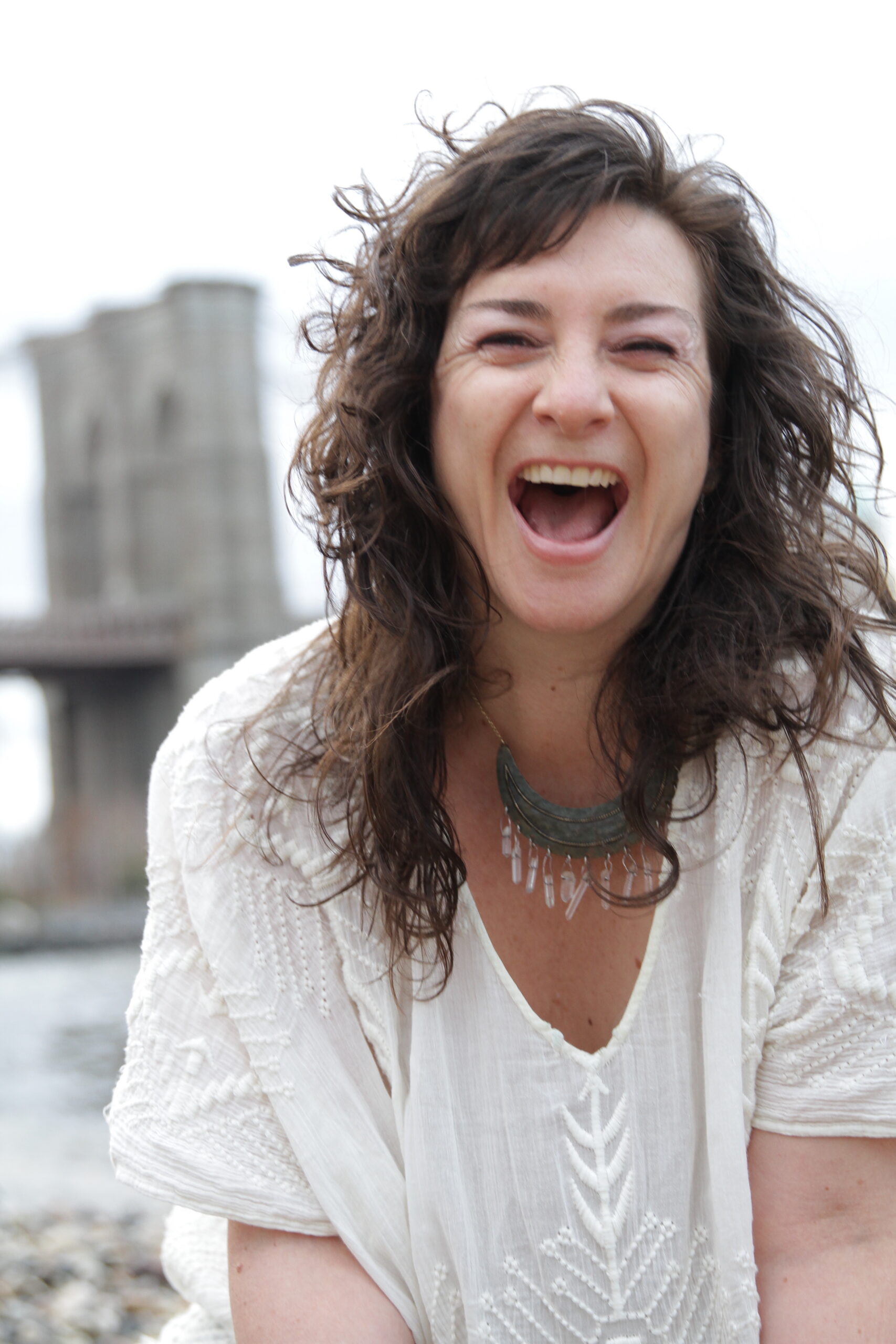
Elana Bell is a poet and interdisciplinary artist whose work explores identity, longing, and the intimate intersections of personal and political life. She is the author of two poetry collections, Mother Country (BOA Editions, 2020) and Eyes, Stones (LSU Press, 2012), selected by Fanny Howe as the winner of the Walt Whitman First Book Award from the Academy of American Poets. Her poems have appeared widely in journals including AGNI, Prairie Schooner, the Harvard Review, the Massachusetts Review, the Southern Review, the Adroit Journal, and Barrow Street, and in anthologies such as Before There Is Nowhere to Stand: Israel/Palestine Poets Respond to the Struggle.
Bell holds an MFA in Creative Writing from Sarah Lawrence College and has received fellowships and residencies from the Saltonstall Foundation for the Arts, the Vermont Studio Center, and the Edward Albee Foundation. She was also a finalist for Split This Rock’s inaugural Freedom Plow Award for poets working at the intersection of poetry and social justice.
In addition to her writing, Bell teaches poetry at the Juilliard School and previously served as poetry editor for the Jewish Journal.
Workshop: Poem as Prayer
Poetry asks of us a deep presence, both in reading and in writing. It invites us into a kind of attentiveness that can hold gratitude and praise, even alongside grief and longing. Our poems may offer visions of the world as it could be, or they may cry out in response to what is. In all these forms, poetry becomes a way of engaging the sacred within the present moment.
What does it look like to begin exactly where we are—in this moment, however fractured or uncertain—and to write from that place? What happens when we turn our attention outward, documenting what we witness and feel? Can our noticing become a form of prayer?
In this workshop, we will begin by grounding ourselves in breath and awareness, allowing that connection to guide our writing. We will read and reflect on poems by Yehuda Amichai, Mary Oliver, Rainer Maria Rilke, and others whose work praises the world in its complexity. From there, we will explore our own practice of writing in praise of this difficult, beautiful world.
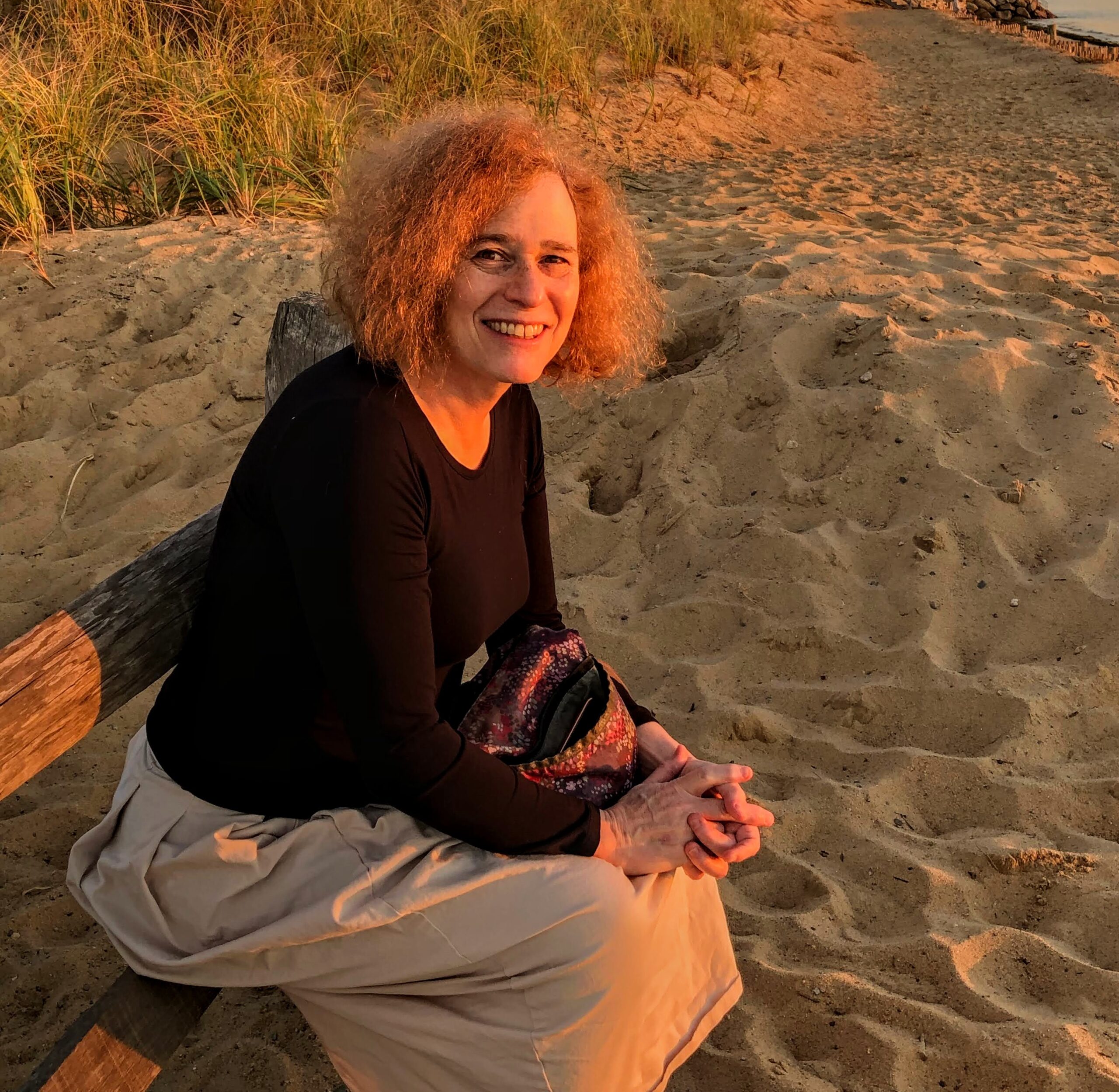
Joy Ladin has published ten books of poetry, most recently Shekhinah Speaks (Selva Oscura Press, 2022); National Jewish Book Award winner The Book of Anna; The Future is Trying to Tell Us; Something: New and Selected Poems; and Lambda Literary Award finalists Transmigration and Impersonation. She is also the author of a memoir of gender transition, the National Jewish Book Award finalist Through the Door of Life, and another work of creative nonfiction, the Lambda Literary and Triangle Award finalist The Soul of the Stranger: Reading God and Torah from a Transgender Perspective. Her work has been recognized with a National Endowment for the Arts Fellowship, a Fulbright Scholarship, an American Council of Learned Societies Research Fellowship, and a Hadassah Brandeis Institute Research Fellowship, among other honors. She has been featured on a number of NPR programs, including an On Being with Krista Tippett interview that has been rebroadcast several times.
Workshop: Learning to Say “We”
Like many of us, I’m finding it harder and harder to say “We” these days. Memes, snark, propaganda, and social and political divisions are making it harder to say “We” as Jews, as Americans, as human beings in ways that affirm our connection to everyone else who shares these identities.
In this class, we will push back by exploring poetry’s ancient power to create new ways of embracing and expanding a collective identity By examining and comparing texts from within and outside Jewish tradition—such as Ki Anu Ameicha from the High Holiday liturgy, Adrienne Rich’s “In Those Years,” Jacob Glatstein’s “Dead Men Don’t Praise God,” Dan Pagis’s “Autobiography,” and Charles Simic’s “East European Cooking”—we will explore how complicated it can be to say “We”; how to critique and creatively engage with different approaches to the first-person plural; and how we can learn from others’ examples to say “We” in ways that inspire us, challenge us, and connect us to those outside our comfort zones and algorithmic bubbles.
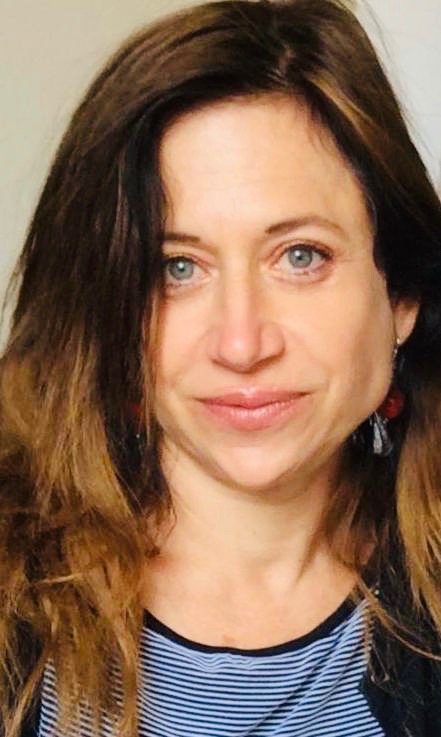
Marcela Sulak’s most recent of five poetry collections include The Fault (2024) and the 2021 National Jewish Book Award finalist City of Skypapers. Her most recent translations from the Hebrew include the forthcoming Music of the Wide Lane and Other Poems by Sharron Hass, for which she won a 2019 NEA Translation Fellowship (University of Texas Press, 2026); I and Not an Angel: Selected Poems of Eli Eliahu (Dos Madres, 2026), and Twenty Girls to Envy Me: Selected Poems of Orit Gidali, nominated for the 2017 PEN Award for Poetry in Translation (University of Texas Press). Her essays have appeared or are forthcoming in Poetry International, the Boston Review, the Iowa Review, Los Angeles Review of Books, Asymptote, and Gulf Coast online, among others. Sulak directs the Shaindy Rudoff Graduate Program in Creative Writing at Bar-Ilan University, and edits the Ilanot Review.
Workshop: Where to Even Begin?: Writing with Anaphora
Our stories and epiphanies are born of crises great and small—moments of decision making, turning points, separation. In this generative workshop, we will focus on the most famous framing technique in the Bible—anaphora—to help us see patterns, purpose, contrasts, and continuity in crisis. We will consider the uses of anaphora in Ecclesiastes/Kohelet, and in the poetry of Nazim Hikmet and Adrienne Rich, Wisława Szymborska, and others, to reach a deep sense of belonging, purpose, history, and community when times are most challenging.
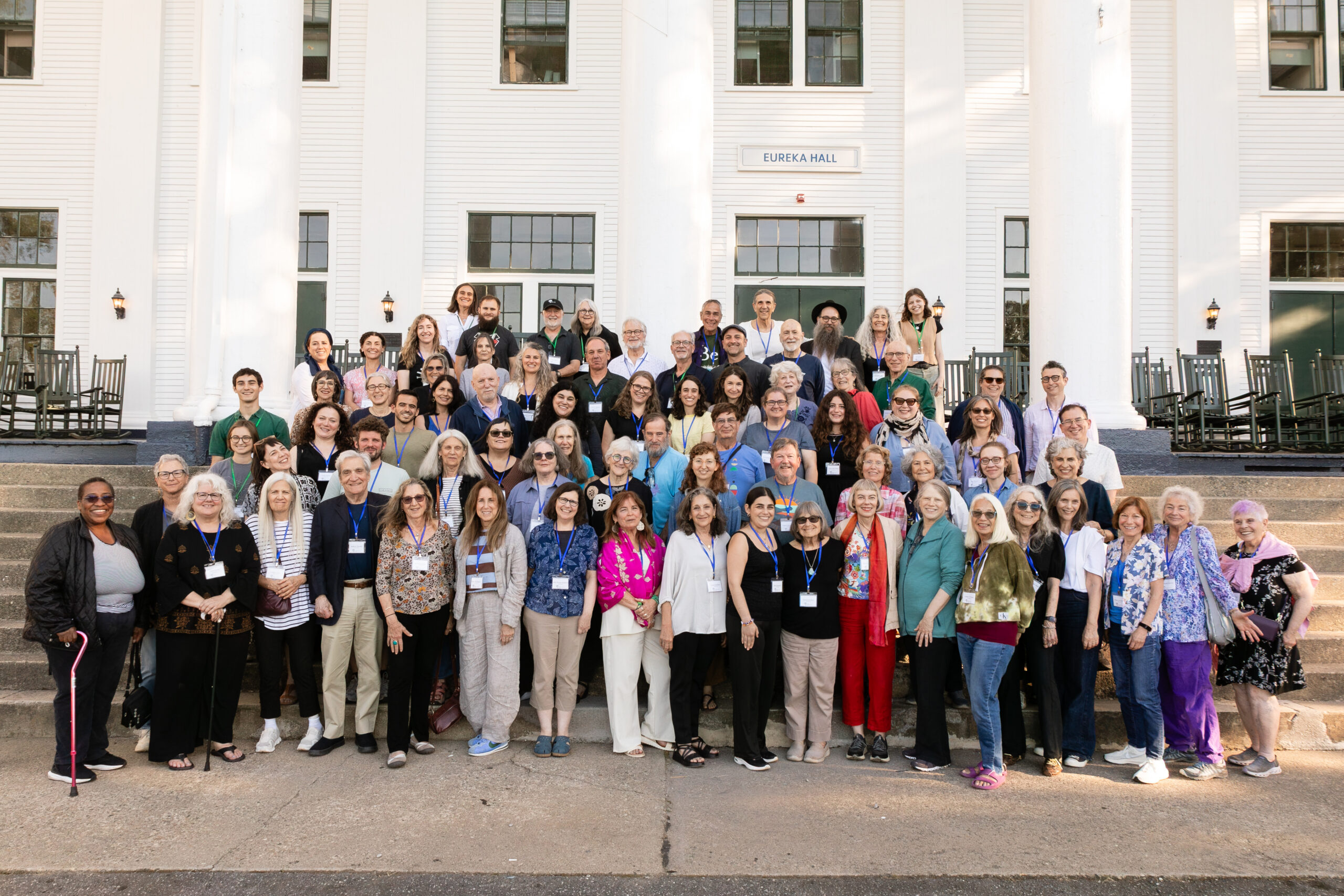
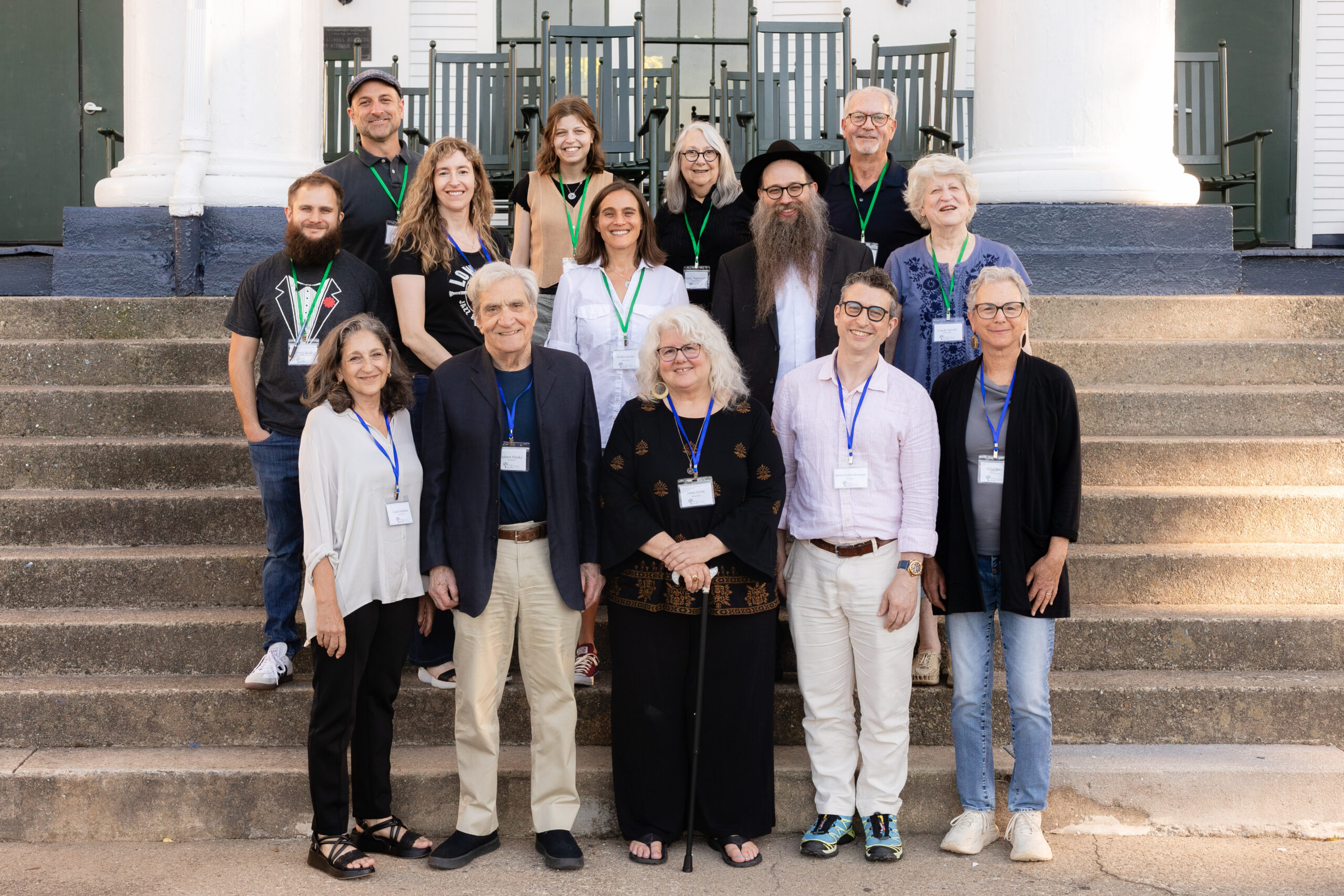
2026 Conference Cohort, Staff, & Board
Yotzer Fellows
Valerie Bacharach
Valerie Bandura
Lizzy Beck
Joanna Chen
Aviva Dautch
Rachel Davies
Sharon Dolin
Amy Eisner
Julie R. Enszer
Leah Falk
Julie Haubenstock Goldstein
Deborah Gorlin
Amy Gottlieb
Diane Gottlieb
David Grubin
Eve Grubin
Laura Hodes
Elizabeth Jacobson
Karen Javits
Yeva Johnson
Beth Kanter
Sally Rosen Kindred
Lior David Maayan
Richard Michelson
Joelle Maxx Milman
Jessica Nordell
Alicia Ostriker
Chloe Yale Pinto
Sarah Sassoon
Ellen Sazzman
Patty Seyburn
Amy Small-McKinney
Donna Spruijt-Metz
Sarah Stern
Dick Westheimer
Dayenu Cohort
Janice Alper
Christopher Apap
Richard Baron
Julia Bennett
Rena Branson
Jay Yair Brodbar
Joanna Brown
Anne Greenfeld
Gary Grossman
Devorah Harris
Brian Hillman
Jane Jacobson
Laurel Kallen
Joel Katz
Louise Katz
James Kraft
Jud (Yehuda) Levinson
Josh Lipson
Jacqueline Marx
Michal S Mendelsohn
Leslie Neustadt
Richard Jeffrey Newman
Jill Pearlman
Amy Peterson
Arlene Plevin
Jane Saginaw
Jen Sammons
Ronnie Scharfman
Ivy Schweitzer
Deborah Silverstein
Lee Stockdale
Lisa Wagoner
Lenore Weiss
Conference Staff
Jessica Jacobs, Founder & Executive Director
Kyra Lisse, Conference Director
Danny Kraft, Conference Manager
Kylee Rieger, Program & Social Media Assistant
Rina Shamilov, Dayenu Online Assistant
Rita Kovtun, Photographer
Rena Branson, Shabbat & Havdalah Leader
Simon Reich, Intern
Eliana Volin, Intern